Song Analysis
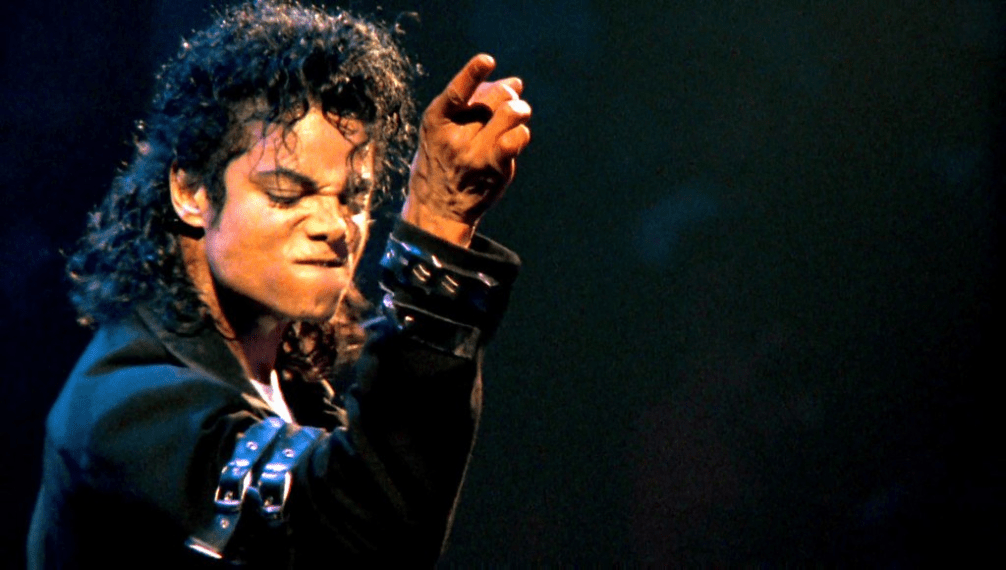
The galactic cymbal gong ripples out a battle cry. The sharp beat breaks down as Eddie Van Halen’s signature guitar riffing revs up. In 1983/84, Michael Jackson’s album ‘Thriller’ spent 37 weeks at No.1 on the Billboard 200 chart. ‘Beat It’ remained on the Hot 100 Single chart for three consecutive weeks and won him a Grammy for record of the year. Written by Michael Jackson and produced by Quincy Jones, ‘Beat It’ calls for non-violence from the infamous Blood and Crip gangs.
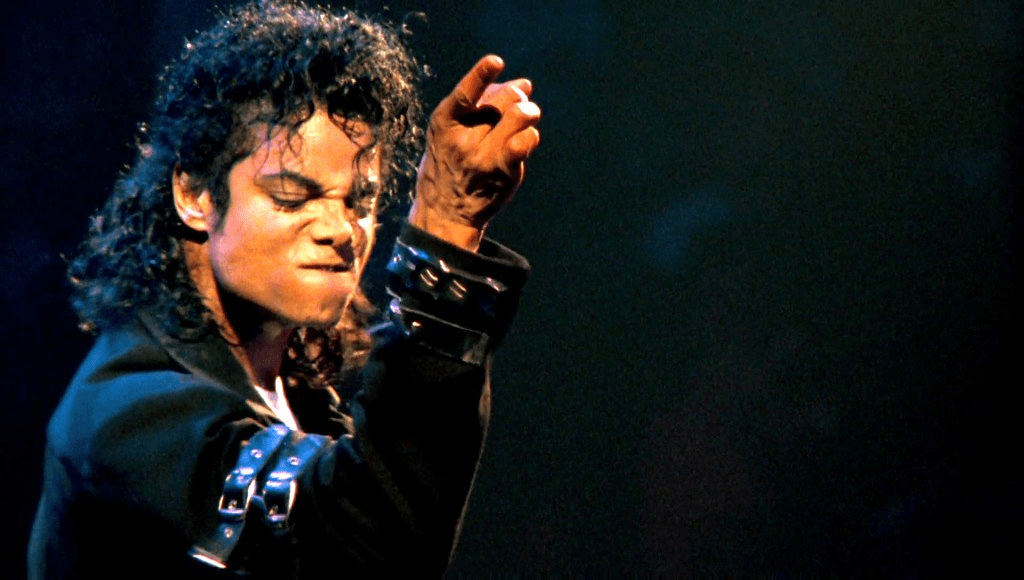
Jackson said, “They told him, ‘Don’t you ever come around here / Don’t wanna see your face, you better disappear.” This ferocious statement shoves the hateful reality right in our faces. “The fire’s in their eyes and their words are really clear.” This scene humanizes gang violence as more than a statistic but as actual people’s real interactions, bringing the listener into this strident reality.
Jackson then inserts himself into the visual he’s painted. “You better run, you better do what you can / Don’t wanna see no blood, don’t be a macho man / you wanna be tough, better do what you can / so beat it.” He expresses what he wants to vocalize to these unfortunate souls living this life. There is always another way despite the need to prove one’s brawn.
We also see Jackson convey an understanding towards masculine gender norms with the term ‘macho man’. Studies find that even today, 50% of men feel pressure to emulate traditional masculinity. ‘Beat it’ breaks down stigmatized words like macho and tough, saying it doesn’t make you any less of a man to walk away. If anything it takes more strength to separate from the fray.
In an interview with Ebony Jet Jackson said, “The theme is two gangs and they come in to rumble, to fight, and my objective is … telling them to run, don’t fight, turn the other cheek. It’s your brother you’re killing. … We got real gang members integrated in with the dancers.”
“We got real gang members integrated in with the dancers.”
In the music video, Jackson confirms that opposing gang members came together in a historic moment to make a film supporting anti-violence but the film broke more barriers than one. According to Forbes, “In 1983, Michael Jackson made history by becoming the first Black artist whose music videos received constant replay on MTV.” It’s heartwarming to see music bring people together in the name of peace.
Jackson said, “Don’t wanna be a boy, you wanna be a man / You wanna stay alive, better do what you can.” To the outside eye we are now expanding the picture to understand how young some of these members can be. Joining a gang may seem appealing because of status and financial gain but adolescents may not know what they are signing up for.
According to the 1996 juvenile gang survey, “16 percent of youth gang members were younger than 15; 34 percent were between the ages of 15 and 17.” Jackson said, “You have to show them that you’re really not scared / You’re playing with your life, this ain’t no truth or dare / They’ll kick you, then they’ll beat you, then they’ll tell you it’s fair / So beat it, but you wanna be bad.” We come back to this juvenile naiveness with the reference to the kids game truth or dare. This is serious and not a game. Having something to prove isn’t a reason to get into trouble.
Joining a gang may seem appealing because of status and money to be made but adolescents may not know what they are signing up for.
We also see Jackson’s understanding of this need to be masculine and ‘bad’ with his quick switch between the words, beat it, and that ginormous ‘But’ immediately afterwards. At the end of the day we are losing lives. Jackson said, “It doesn’t matter whose wrong or right”
I want to say here that Jackson is a man of many allegations and crimes. I in no way intend to spread his infamy but the powerful impact of the song itself.

 What Music Inspires You?
Leave a comment